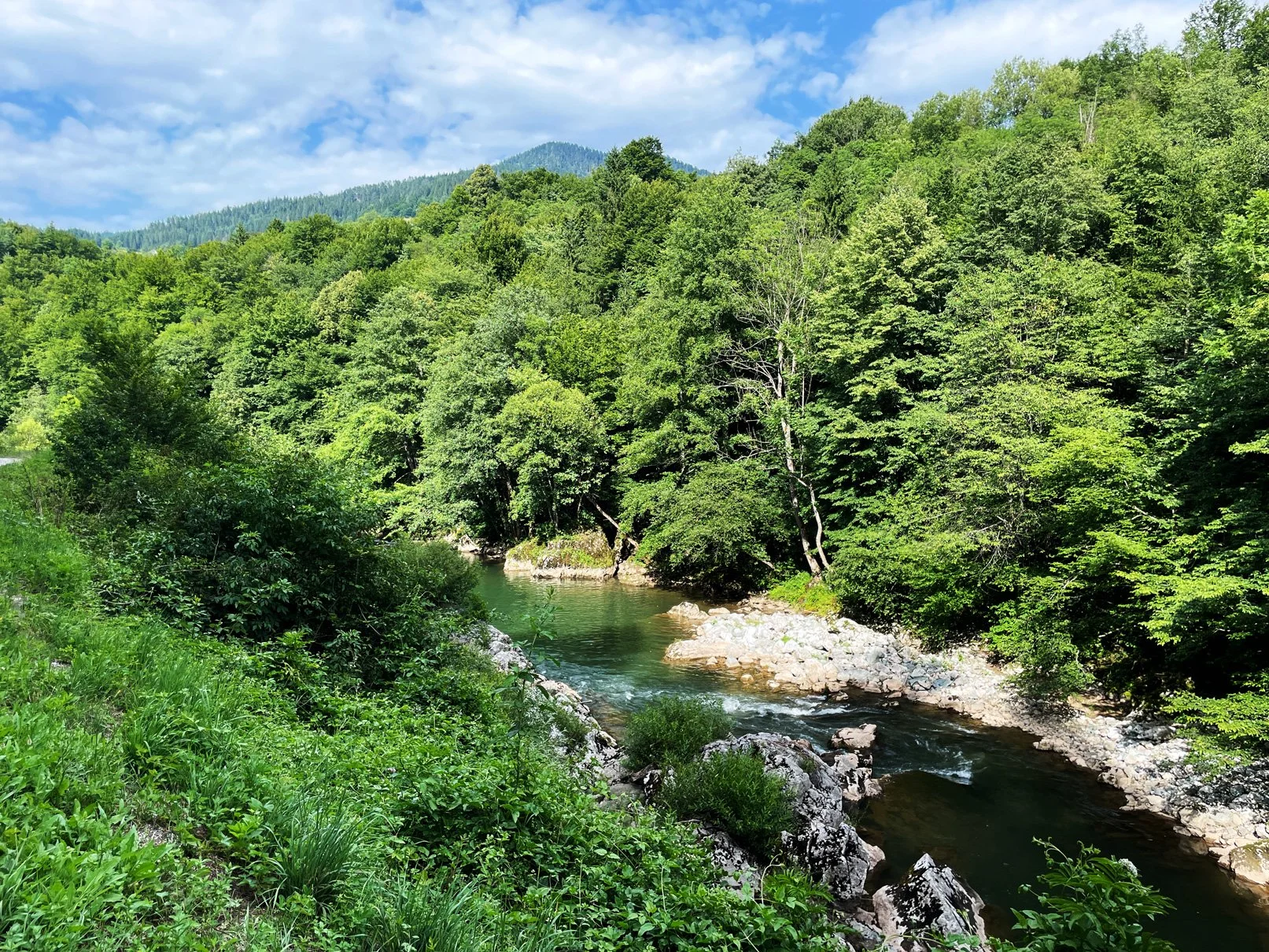
Bosnias Nature is one of a kind
Bijambare Caves and the protected nature of Sarajevo.
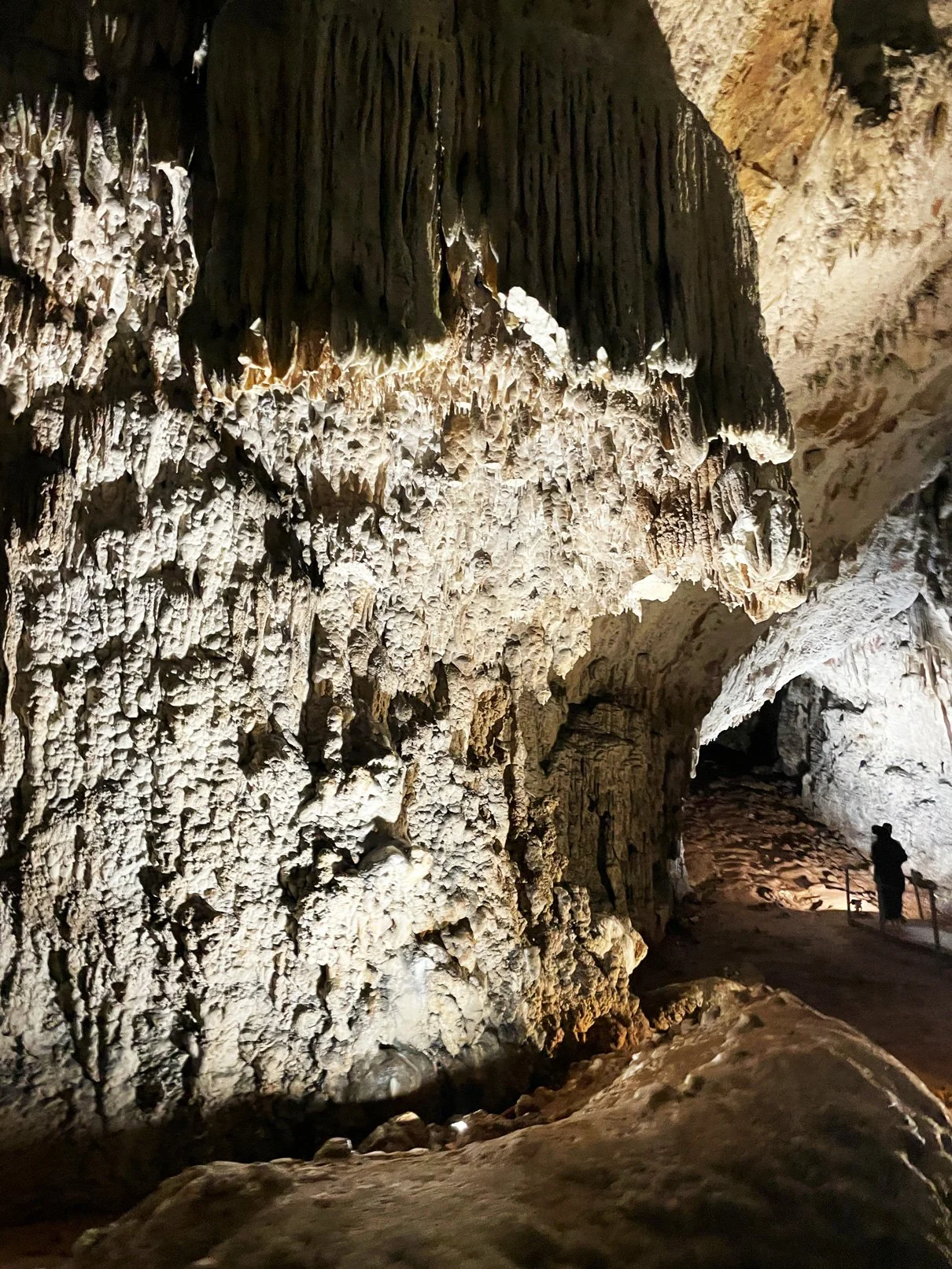
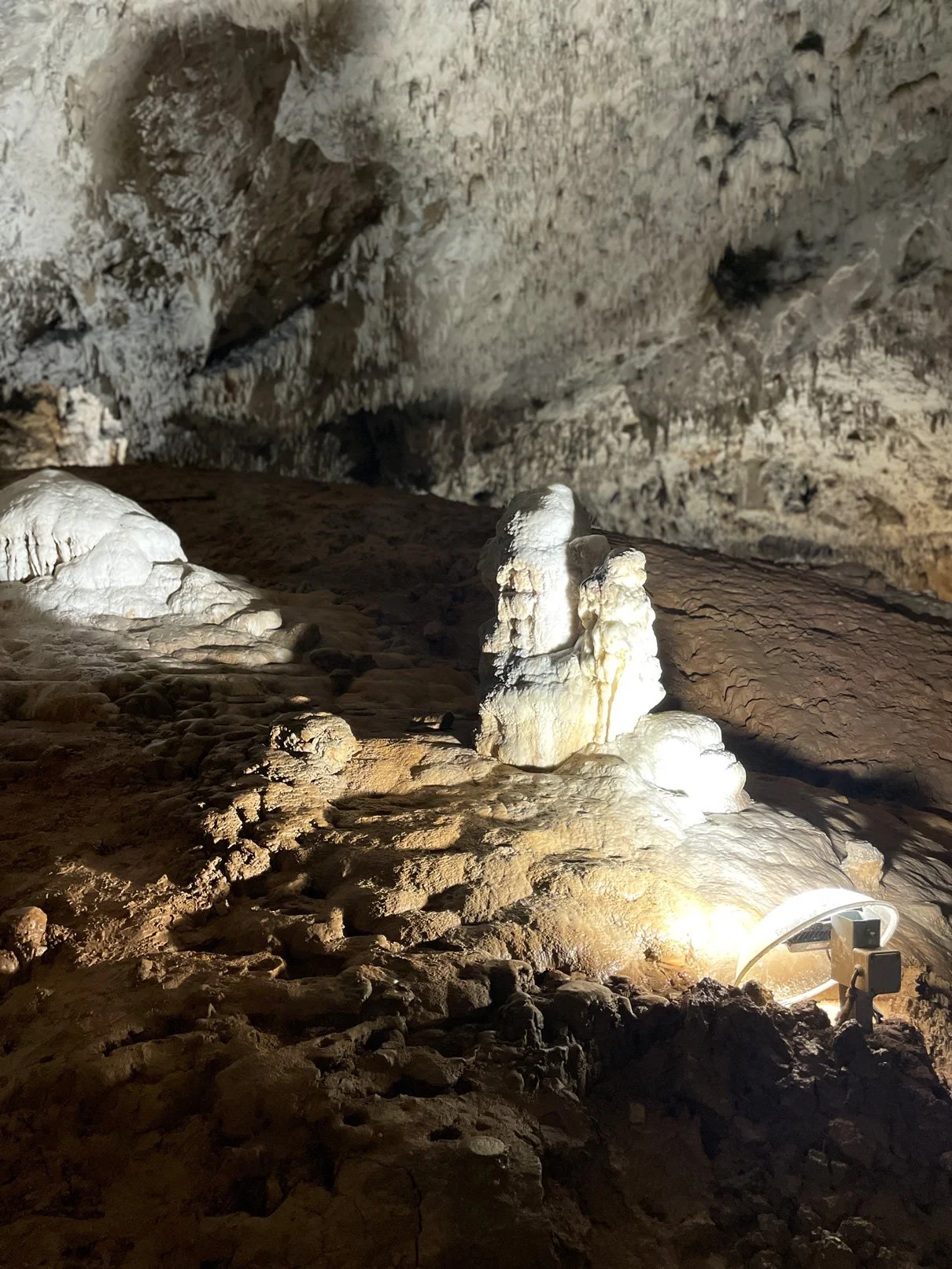
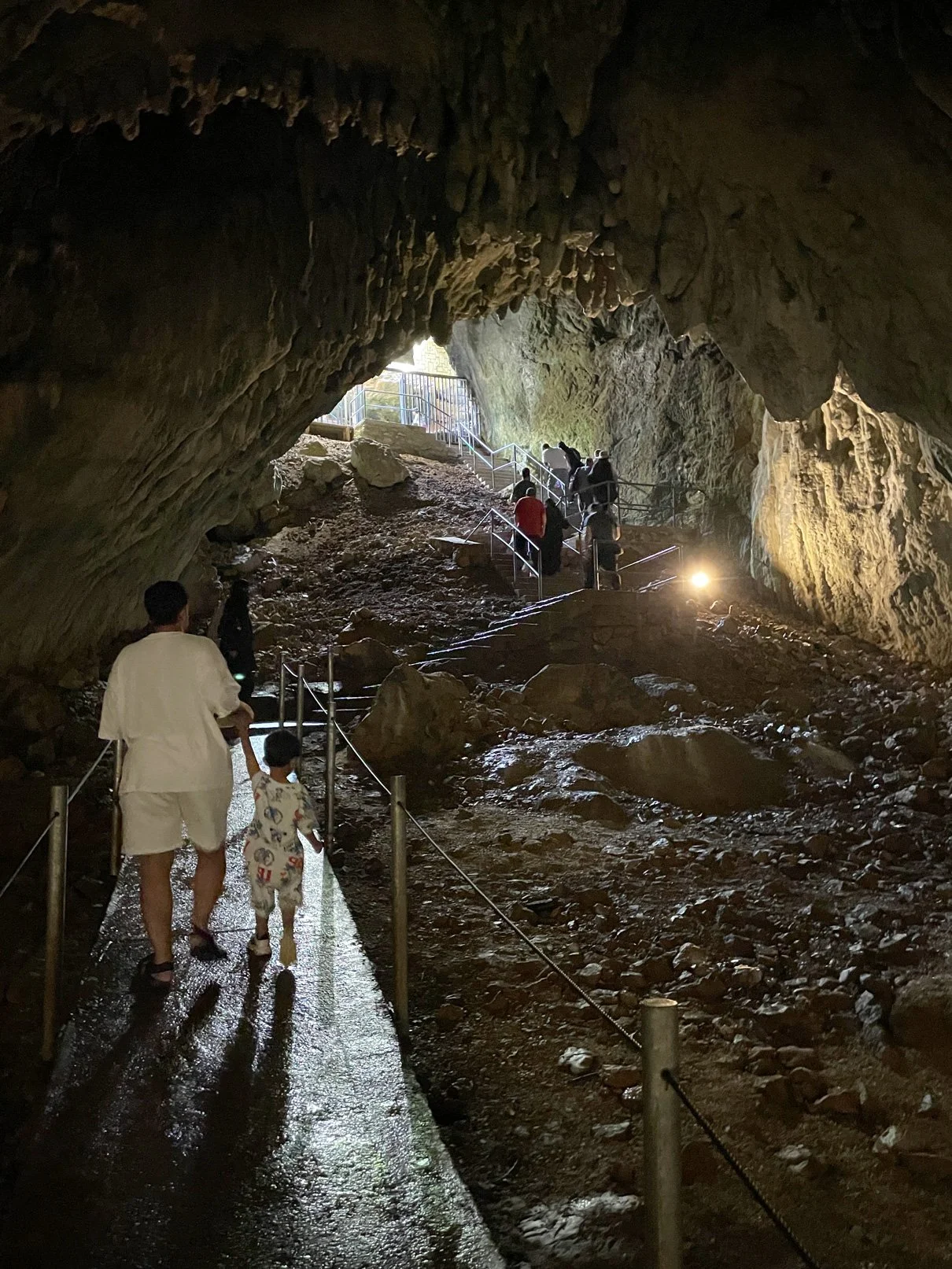
The amazing Bijambare Caves are just about 40 km from Sarajevo and 80 km from Tuzla. Bus groups, schools, locals, and tourists come here to discover the beauty of the historic caves in the middle of a dense forest. There are eight caves in total, but only one is open to the public; it is the main cave and the largest, with a length of 400 m. It features a sinkhole, stalagmites, and stalactites, which come in every size from tiny to massive and are beautifully lit up with spotlights, as well as some bigrene tubs which look like small hot tubs. Within the cave, the halls are 30 to 80m long, the biggest one is the so-called Music Hall with an impressive 12m in height and exceptional acoustics.
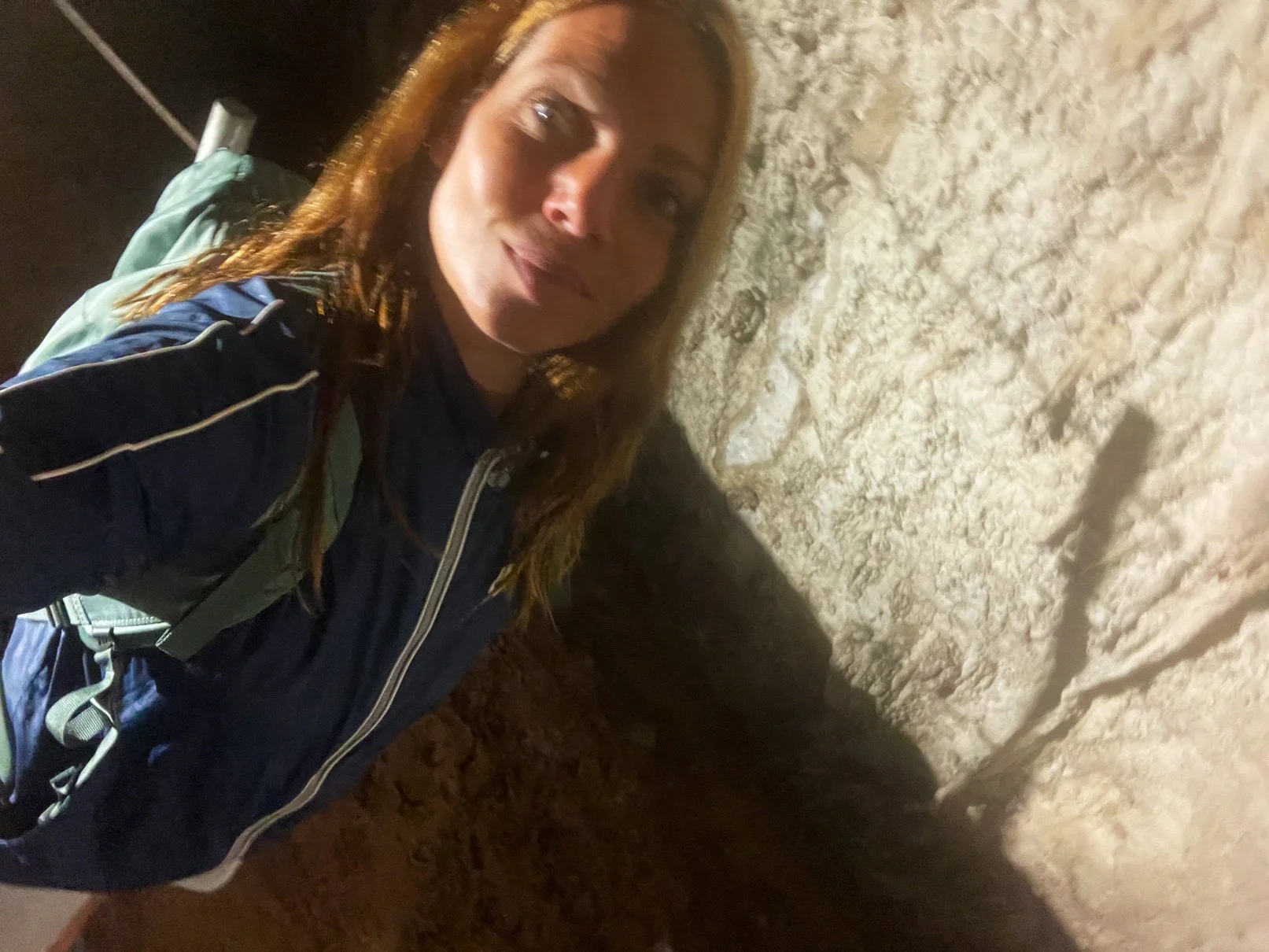
On this day, I am the only English speaker, but I joined the tour in the Bosnian language anyway. Later, I discovered that half-day trips in English from Sarajevo run almost every day and are bookable through MeetBosnia.com, Balkland.com,and many other local guided tour providers. Some days/trips it is worth planning in advance :) The guide is kind, and together we discover the amazing cave at around 5 °C. Luckily, I brought a Jacket with me, as inside the cave the temperature almost never exceeds one digit.
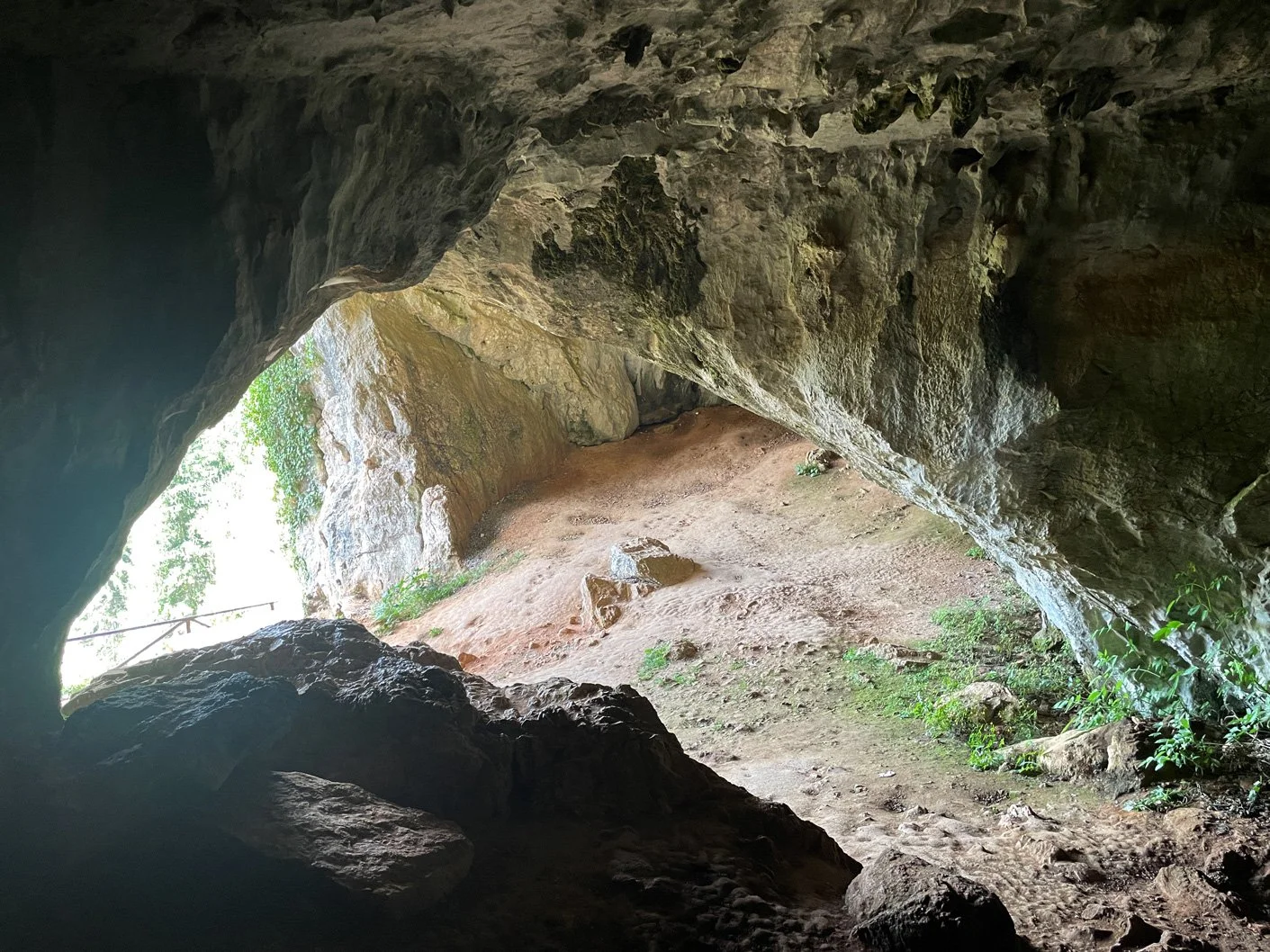
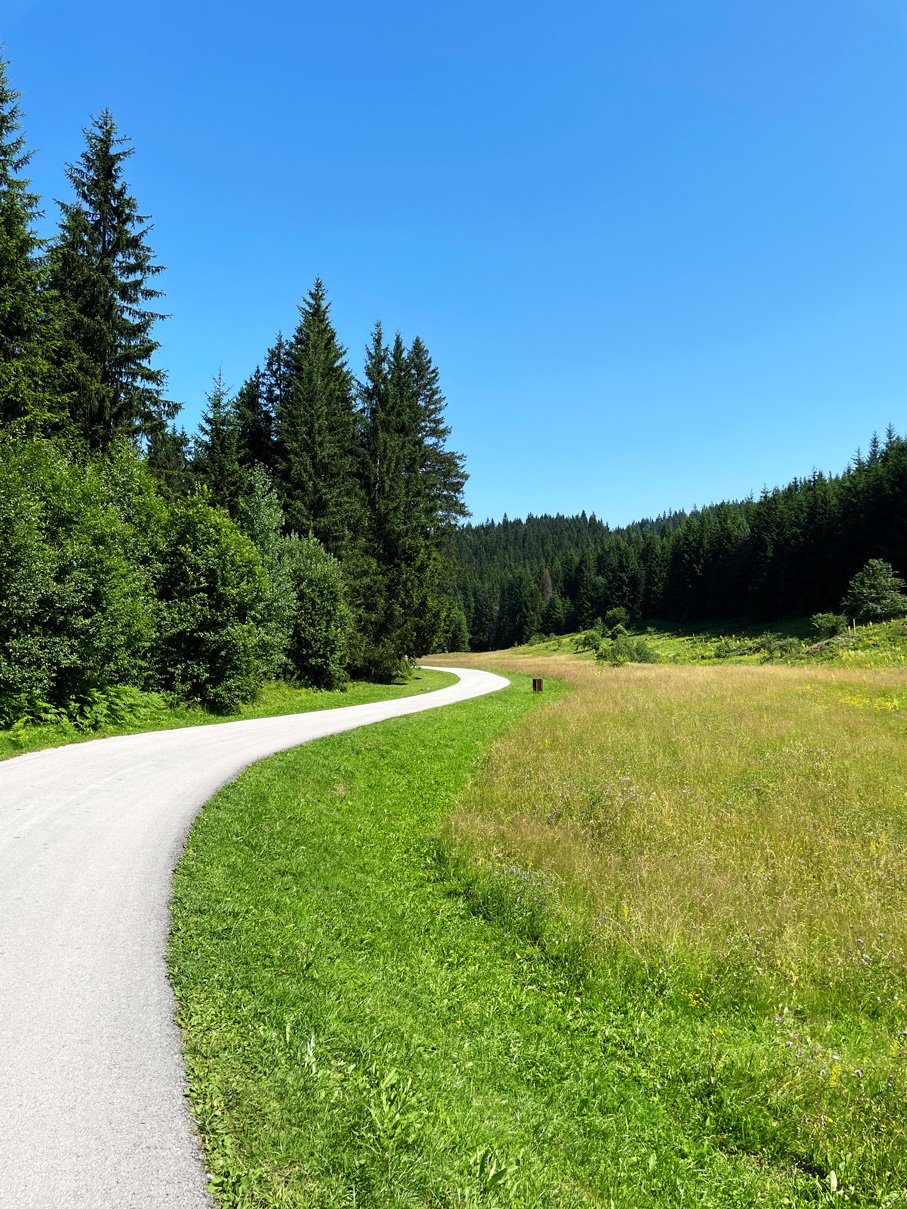
The entrance features a large parking area, and from here there are two ways to reach the caves: one is to take a ride on a train-like bus, the other is to take a pretty walk that leads through flower fields and a dense forest. The path is well signposted, and I am convinced that no one has ever gotten lost here. A group of kids is in front of me, joyfully as they discover the display boards and activities along the way.
About halfway through, the group comes to a stop. Here at Nekropola stećaka Bijambare. Artistically carved stone structures, these tombstones are exclusively found in Bosnia & Herzegovina, parts of Croatia, Macedonia, and Serbia, and are indeed historical artefacts with rich cultural value dating from the 12th to the 16th century. Since 2013, Bijamabre has been home to them, where they were placed to be discovered on the way to the caves.
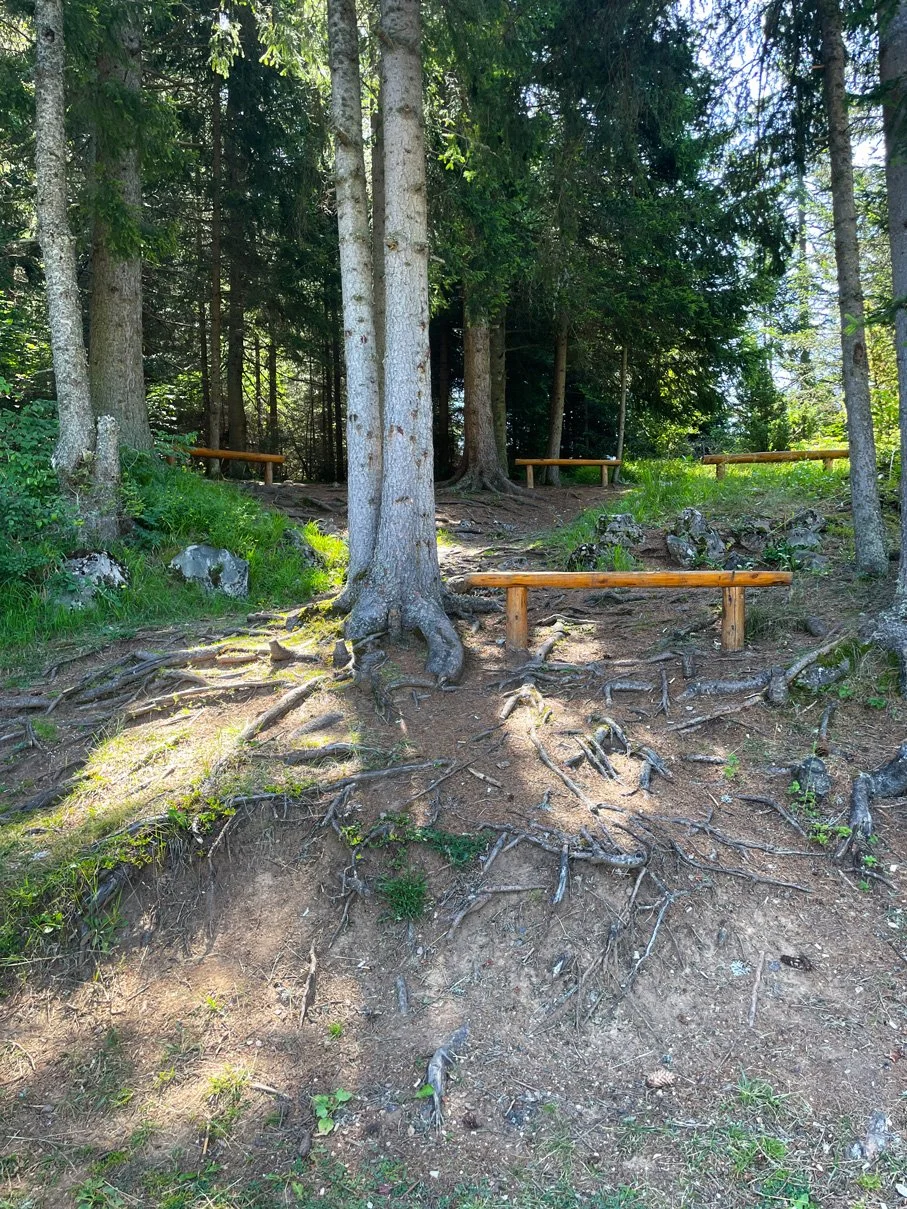
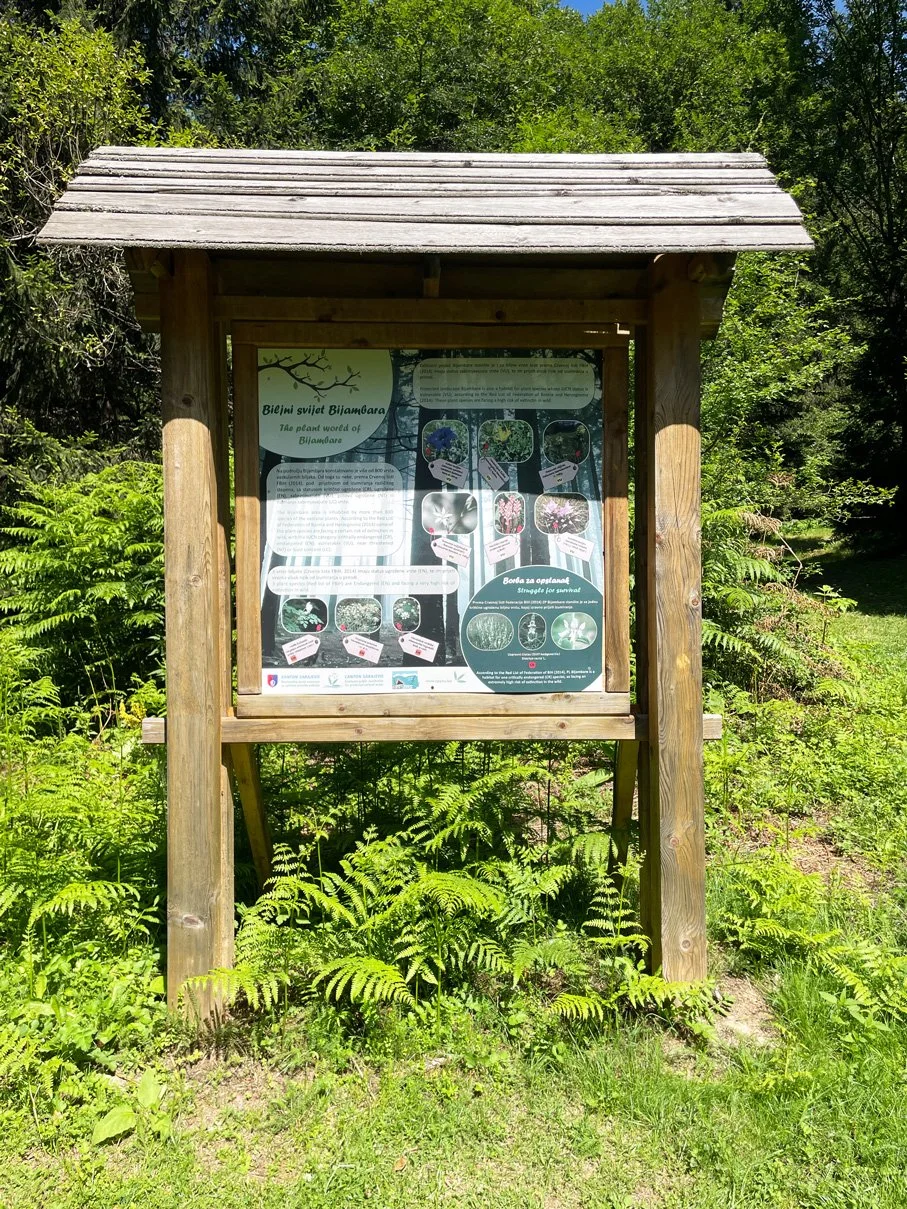
Since 2003, Bijambare has been officially declared as a protected area and managed by the Cantonal Public Institution for Protected Natural Areas, which covers almost 500 hectares. The tombstones were relocated in 2013 to the Bijambares natural habitat, which are recognised by UNESCO. The medieval tombstones hold great historical value as part of medieval heritage.
If the map doesn’t work please click here
to show the location with Google maps.
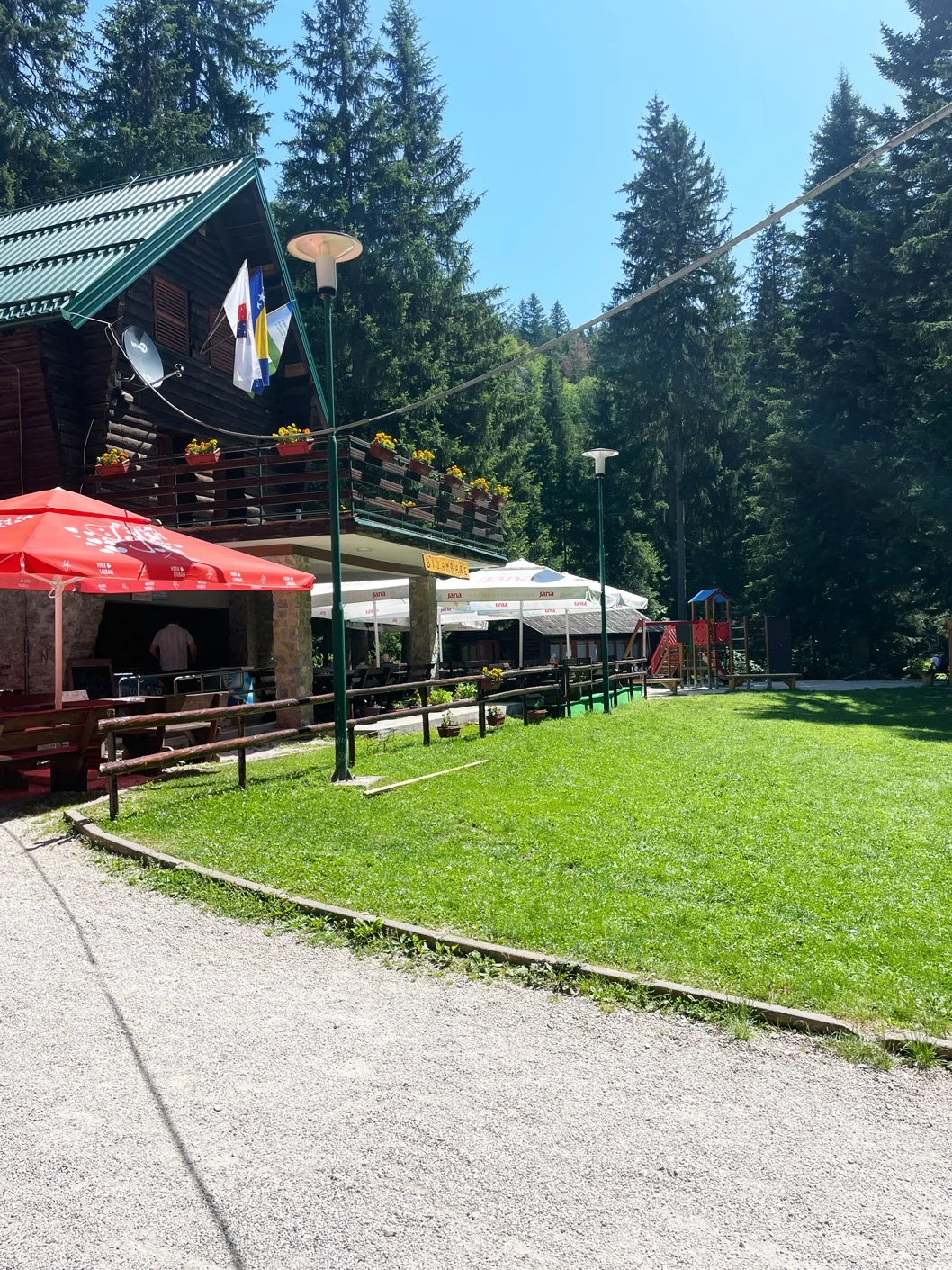
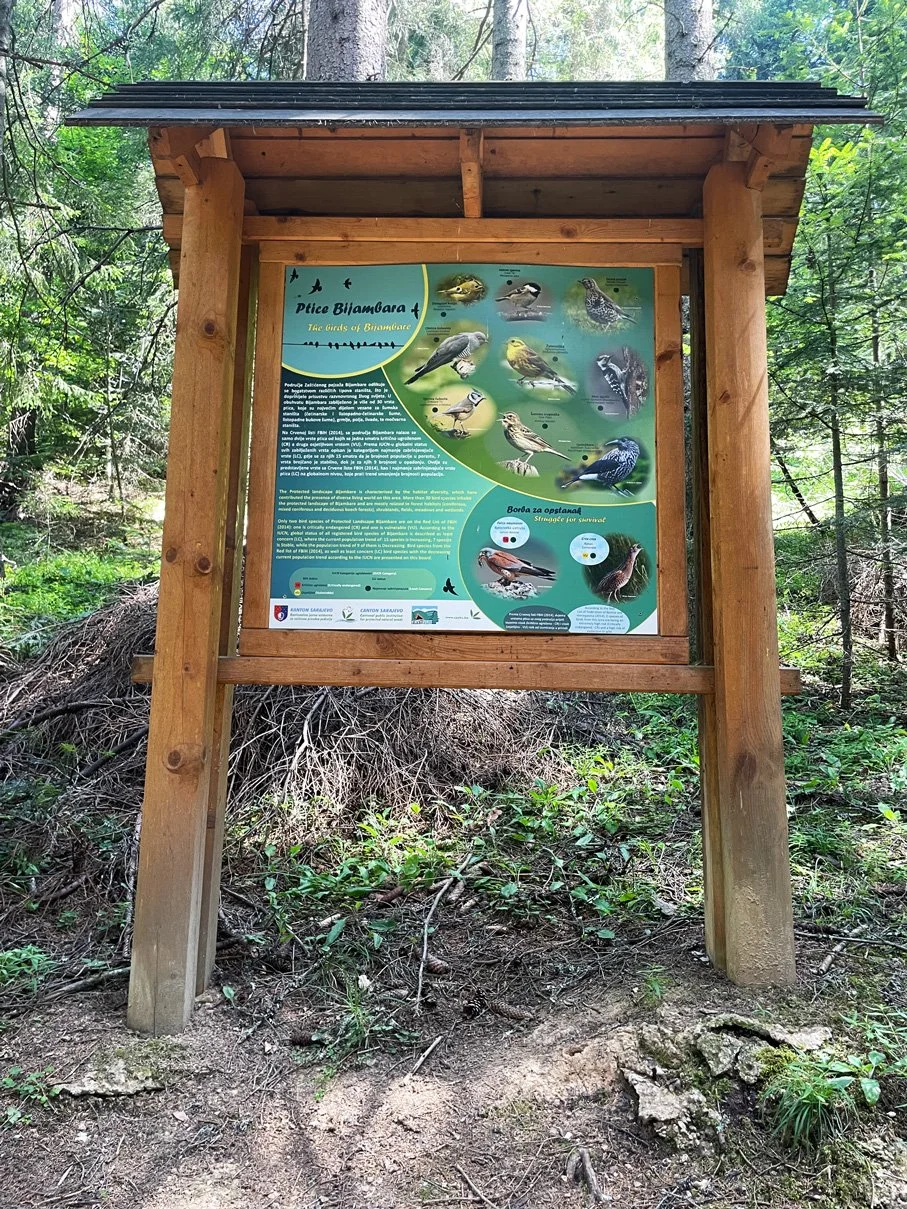
A large nature playground is located next to the cafe and restaurant, where lots of treats invite you to take a rest before heading into the caves. For kids and adventurous grown-ups alike, Bijambuare offers interesting sights best explored on foot. The forest walk and its walkways are well maintained and nicely equipped with information boards throughout, teaching the kids about the wildlife and bird species that live here in the beautiful nature of Bosnia.
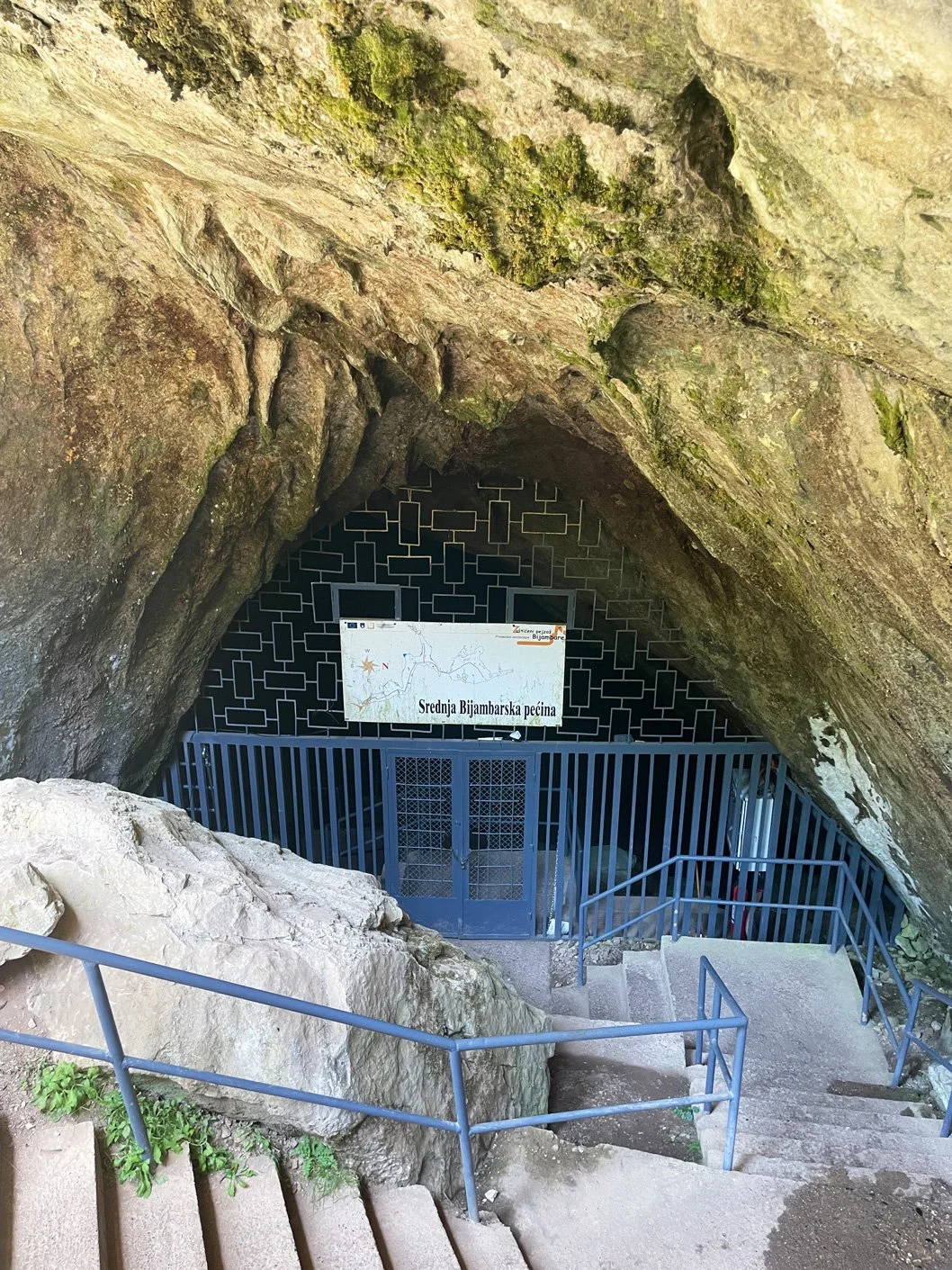
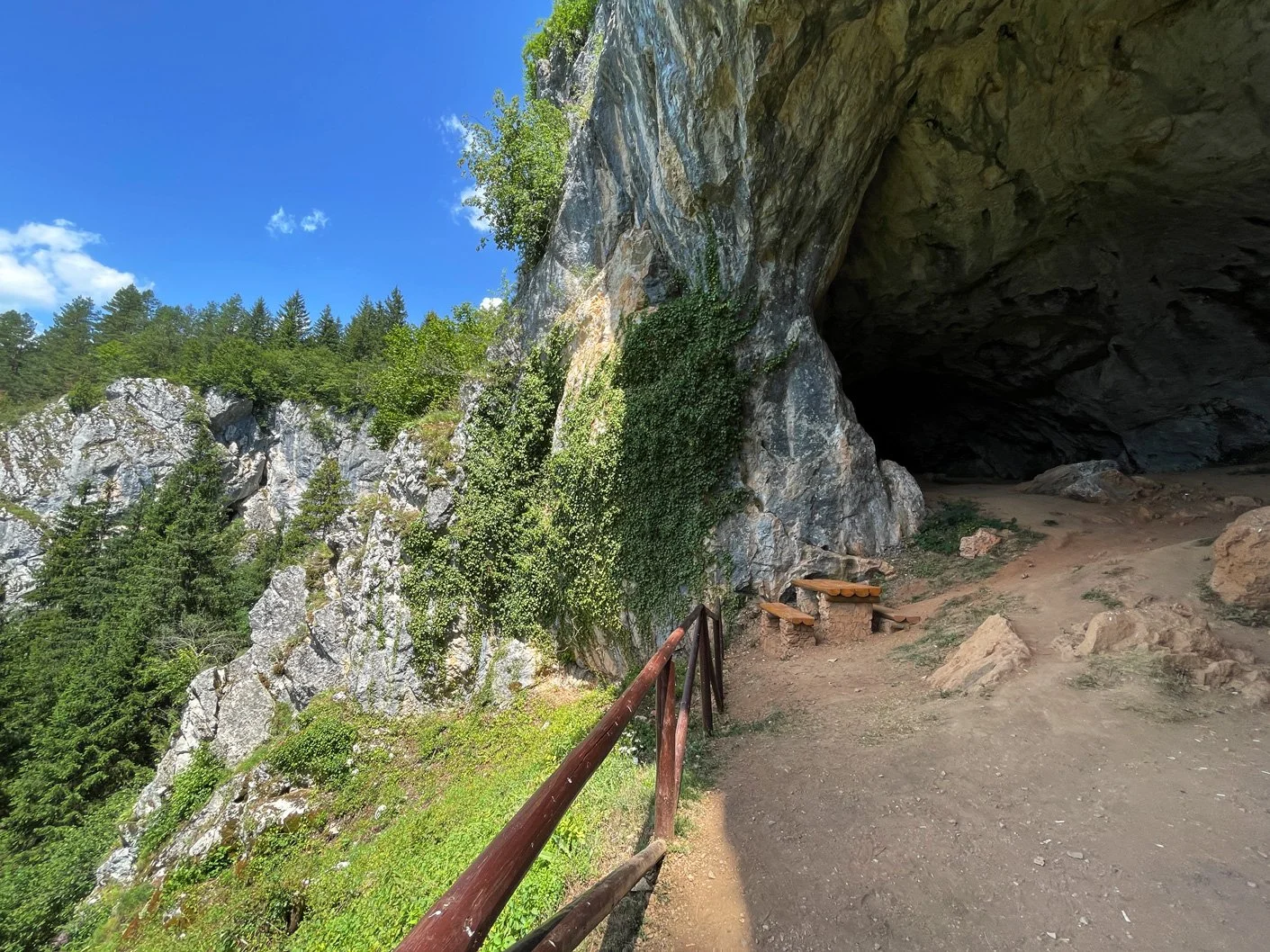
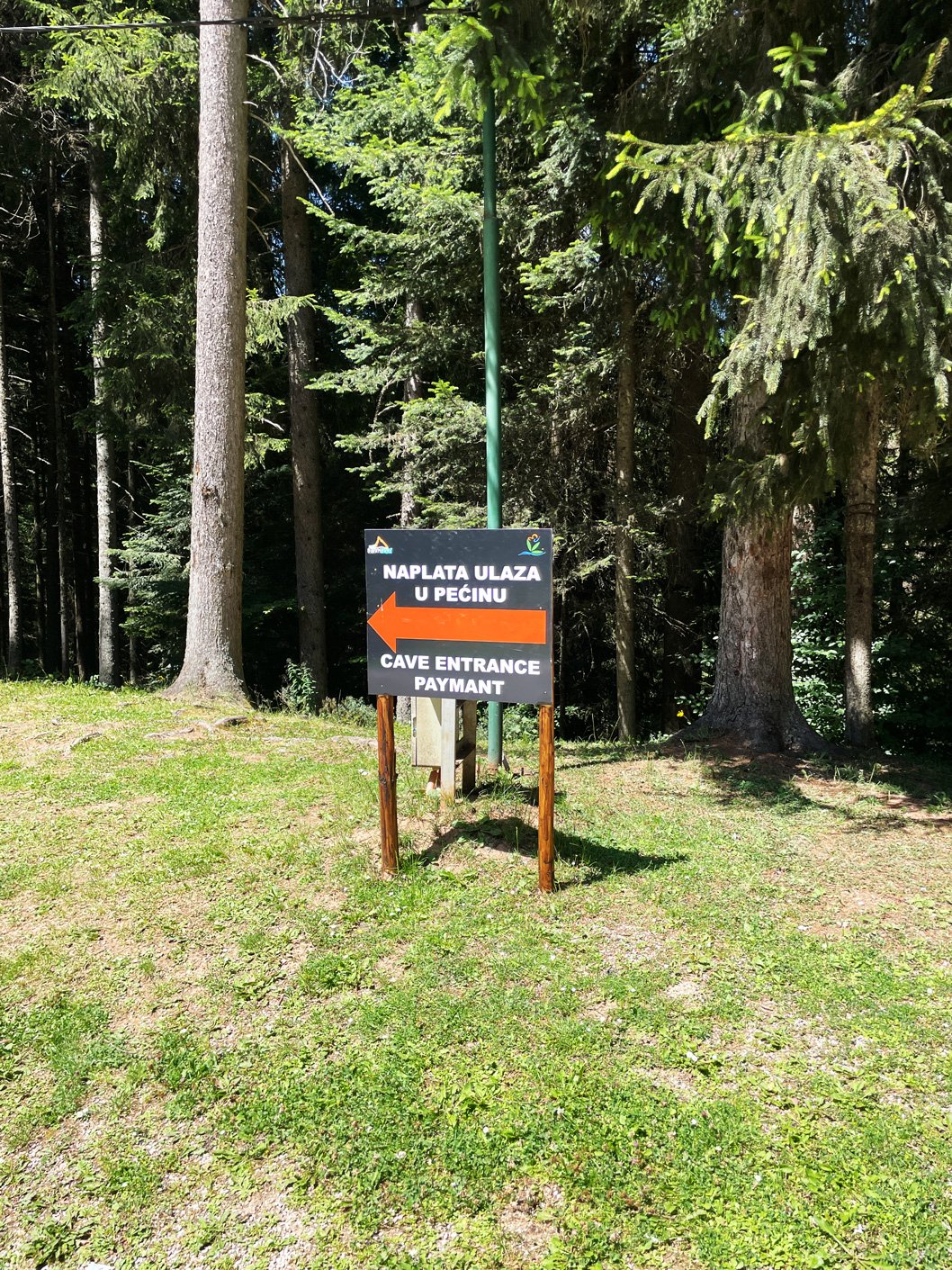
From the restaurant and playground area leads a narrow walkway uphill where two caves are stagged on top of each other. A steep walk but absolutely worth climbing as the very top rewards you with a breathtaking panorama view over the nature of Bijambare.
15.May 2026
More travel reports and one-of-a-kind destinations to discover:
The Marjan Forest Park in Splitis my personal highlight on Croatia's coast. Read here in my Blog how the intensity of challenges shifts over time, and that a delusional mindset will not move mountains but will make you climb them.
Discover Bologna on foot and shop at the street market in the beautiful heart of Italy's food capital.
Burek and the best place to tingle your taste buds with delight in Zadar the Lo-Cal Grill
Discovery under the surface with SSI Dive School Diving Pulain Croatia
Homemade Gelato- a delight on a hot day in Roma
Ombak, the Zero Waste Cafeat the beachfront with island flair in Indonesia.
Balkans' famous Cevapi and the best place to tingle your taste buds with delight in Zadar